SERVICE FAQ's
What is Permanent Makeup?
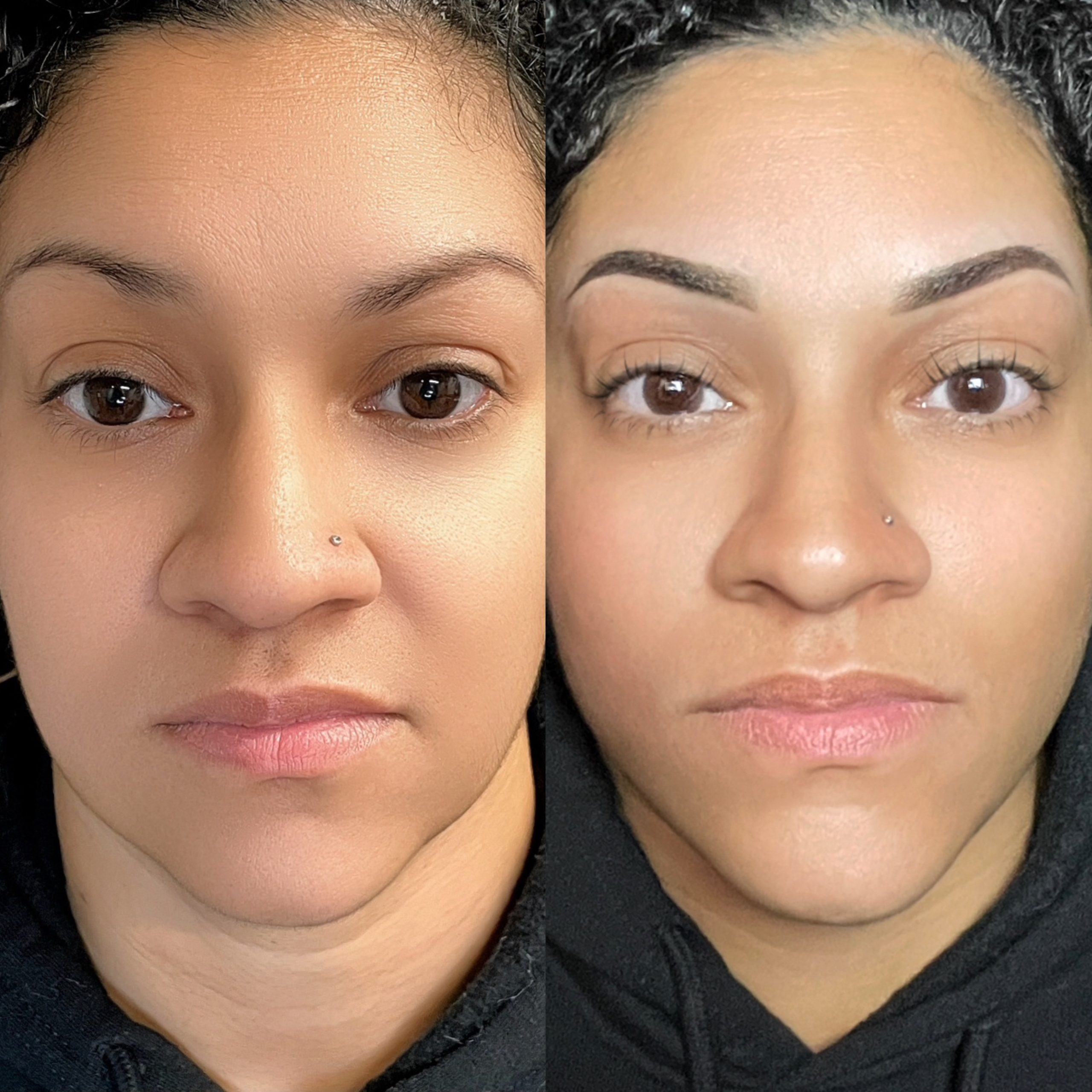
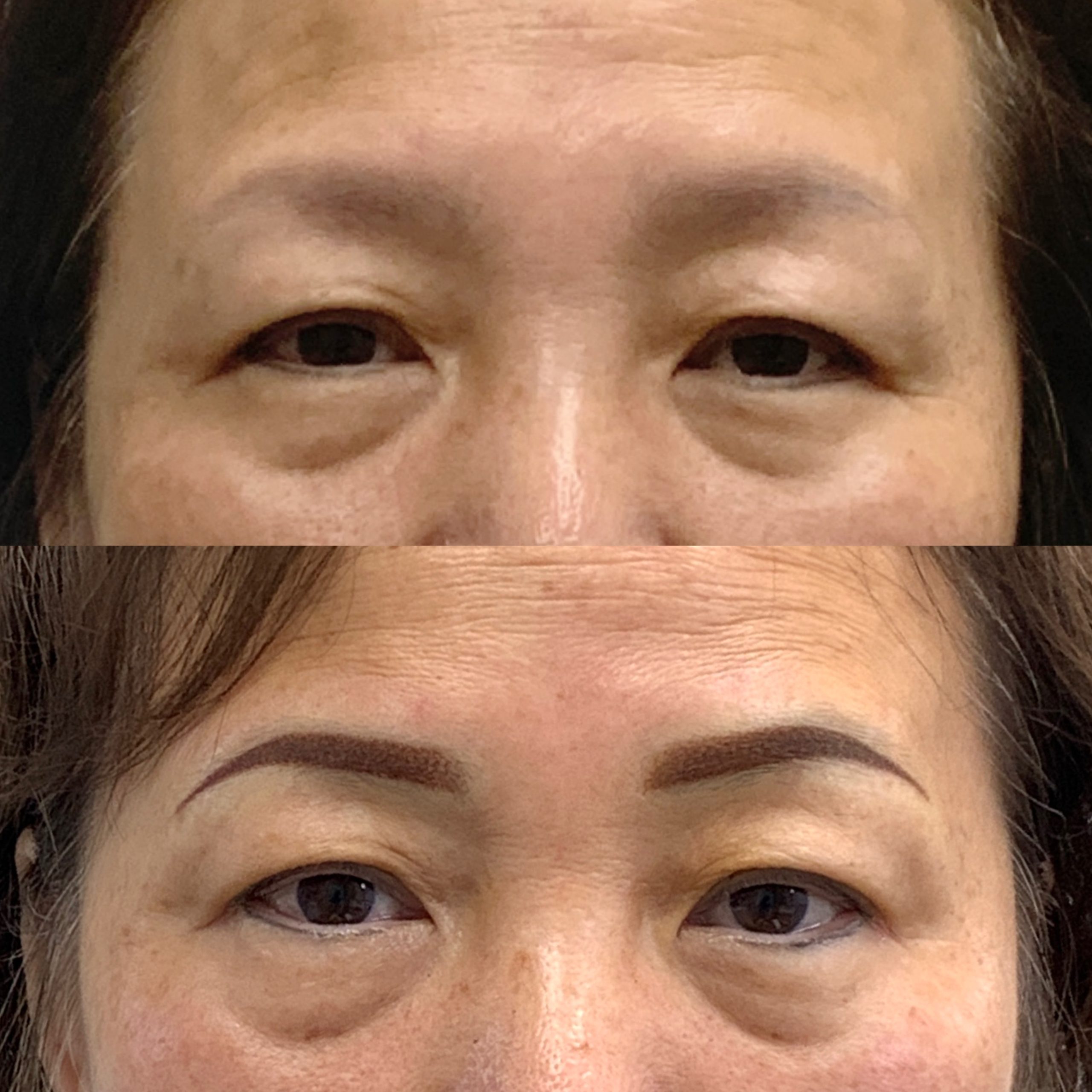
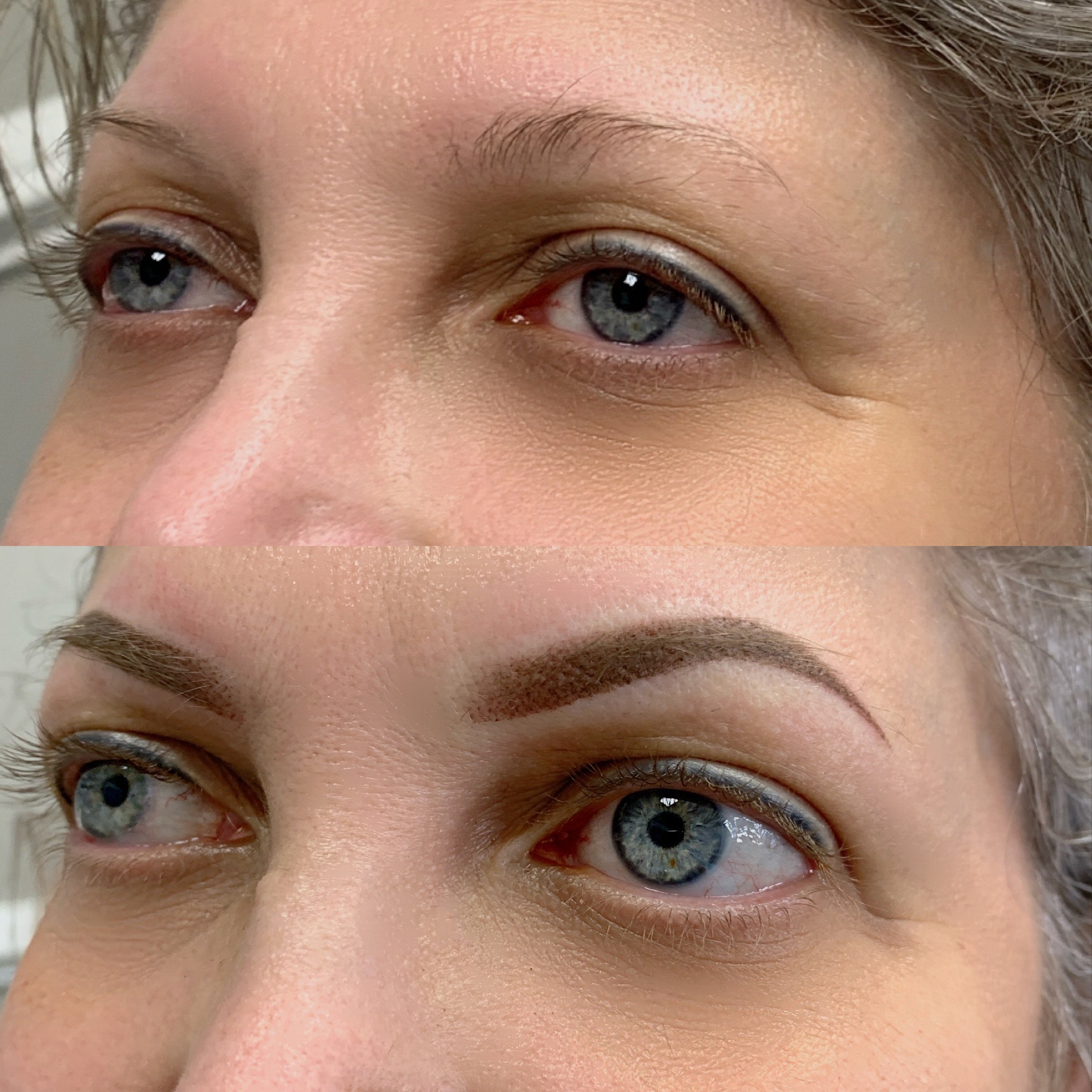
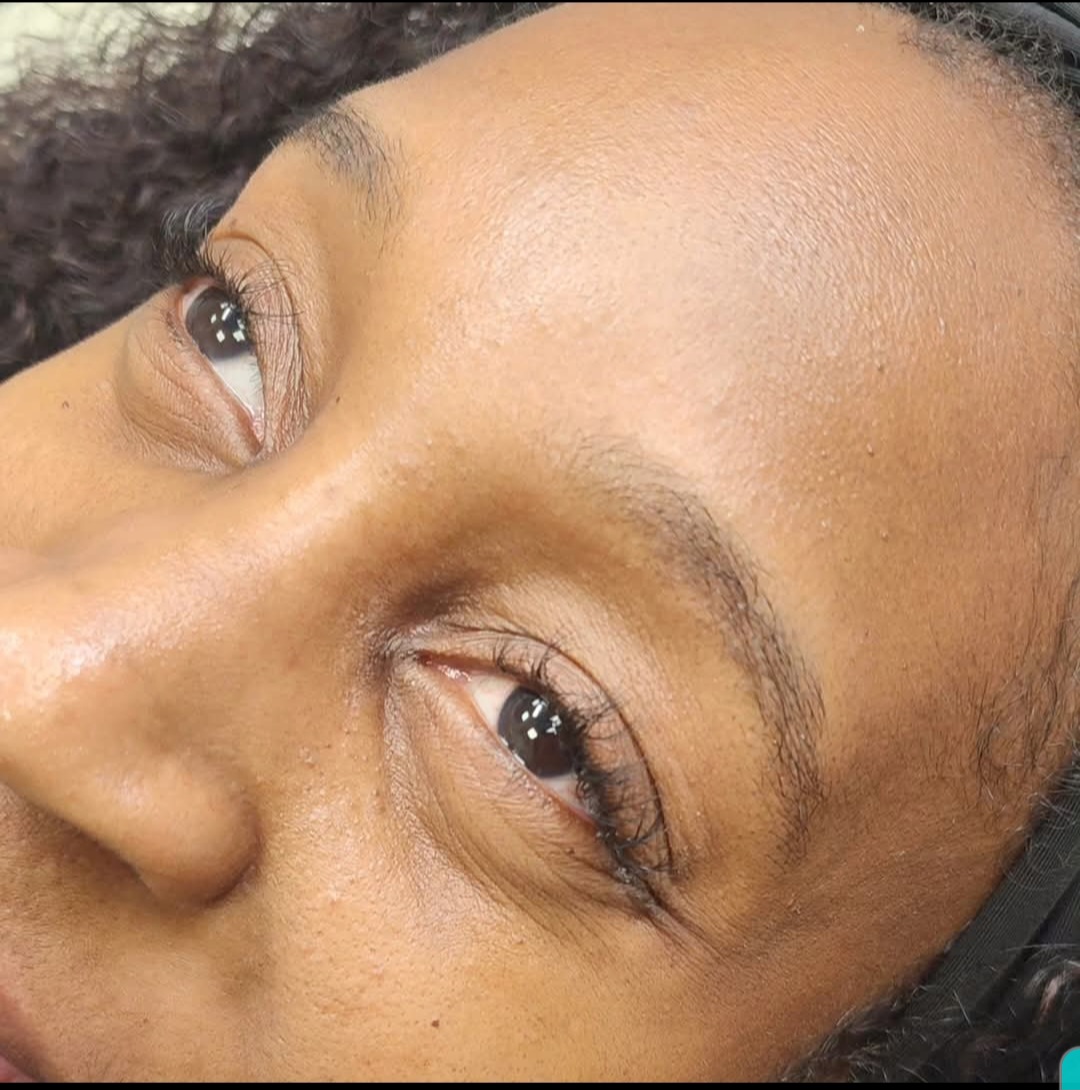
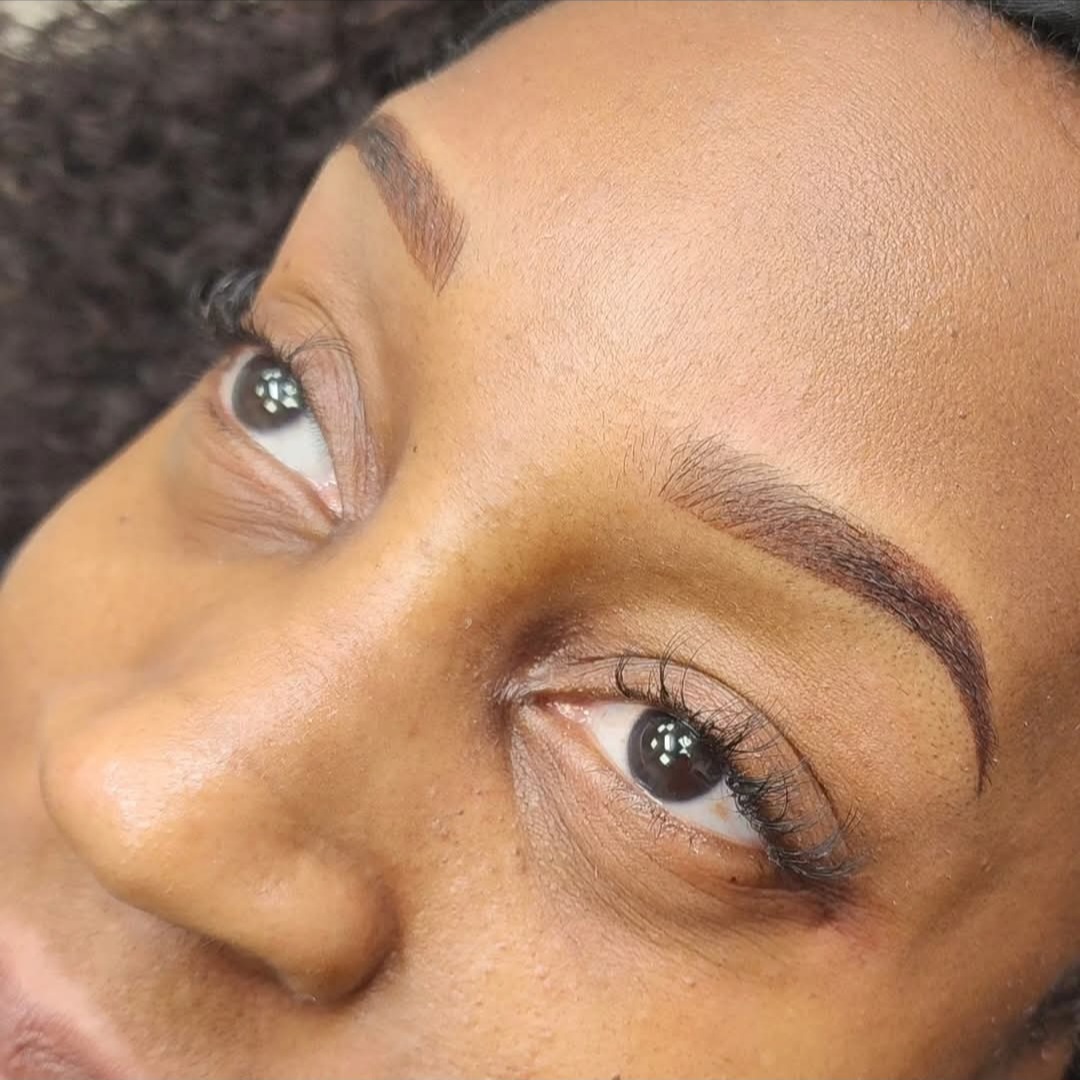
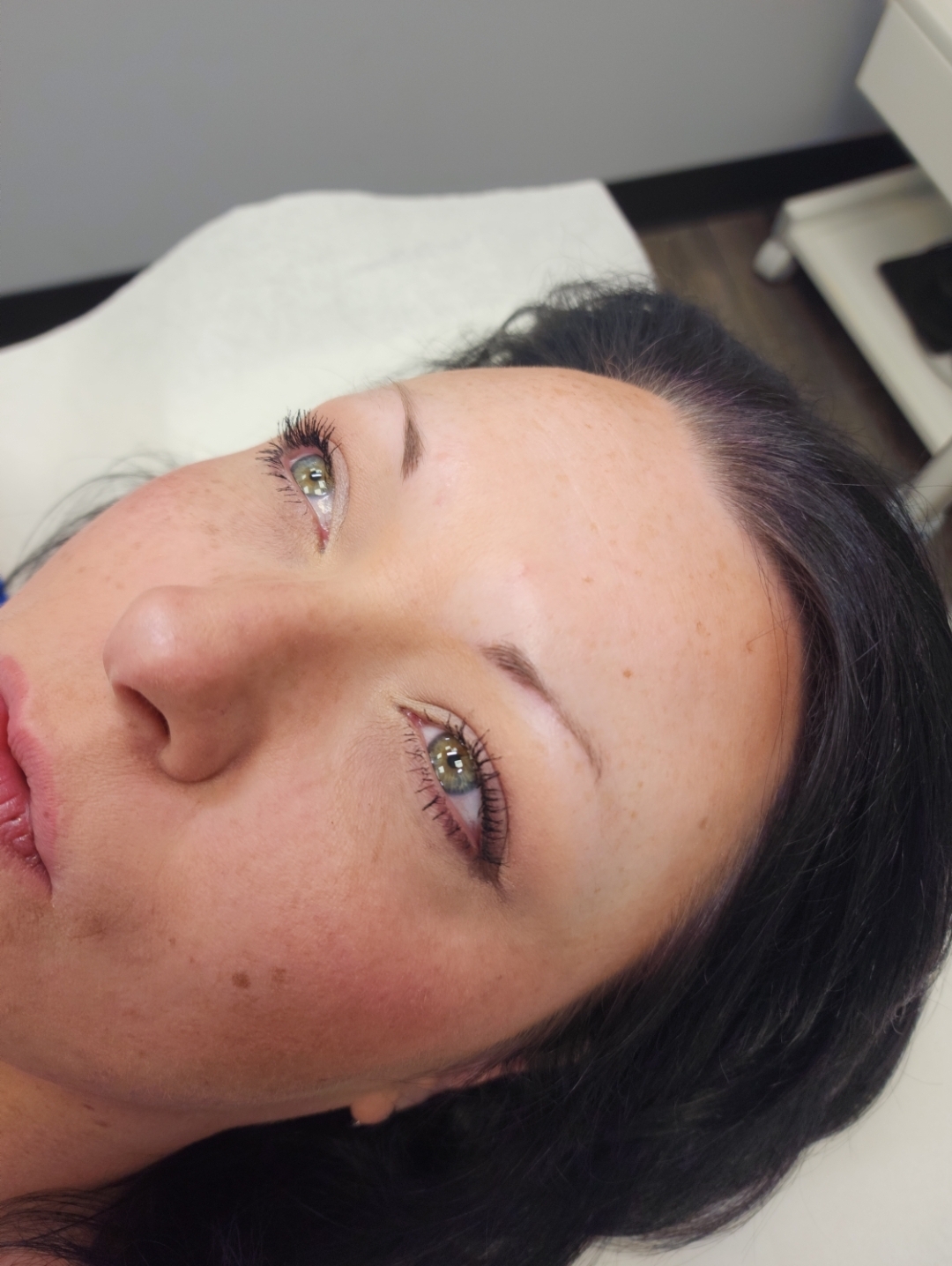
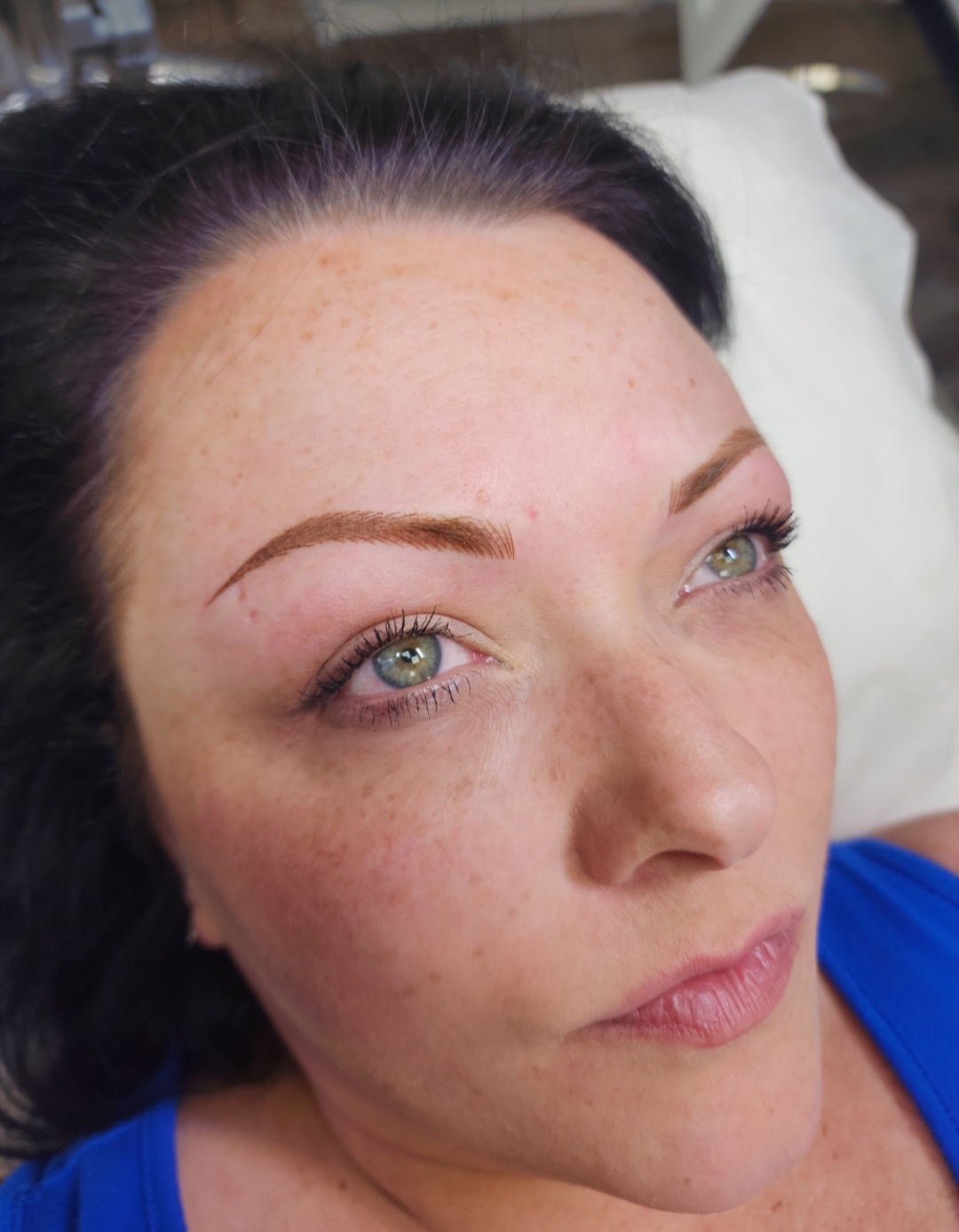
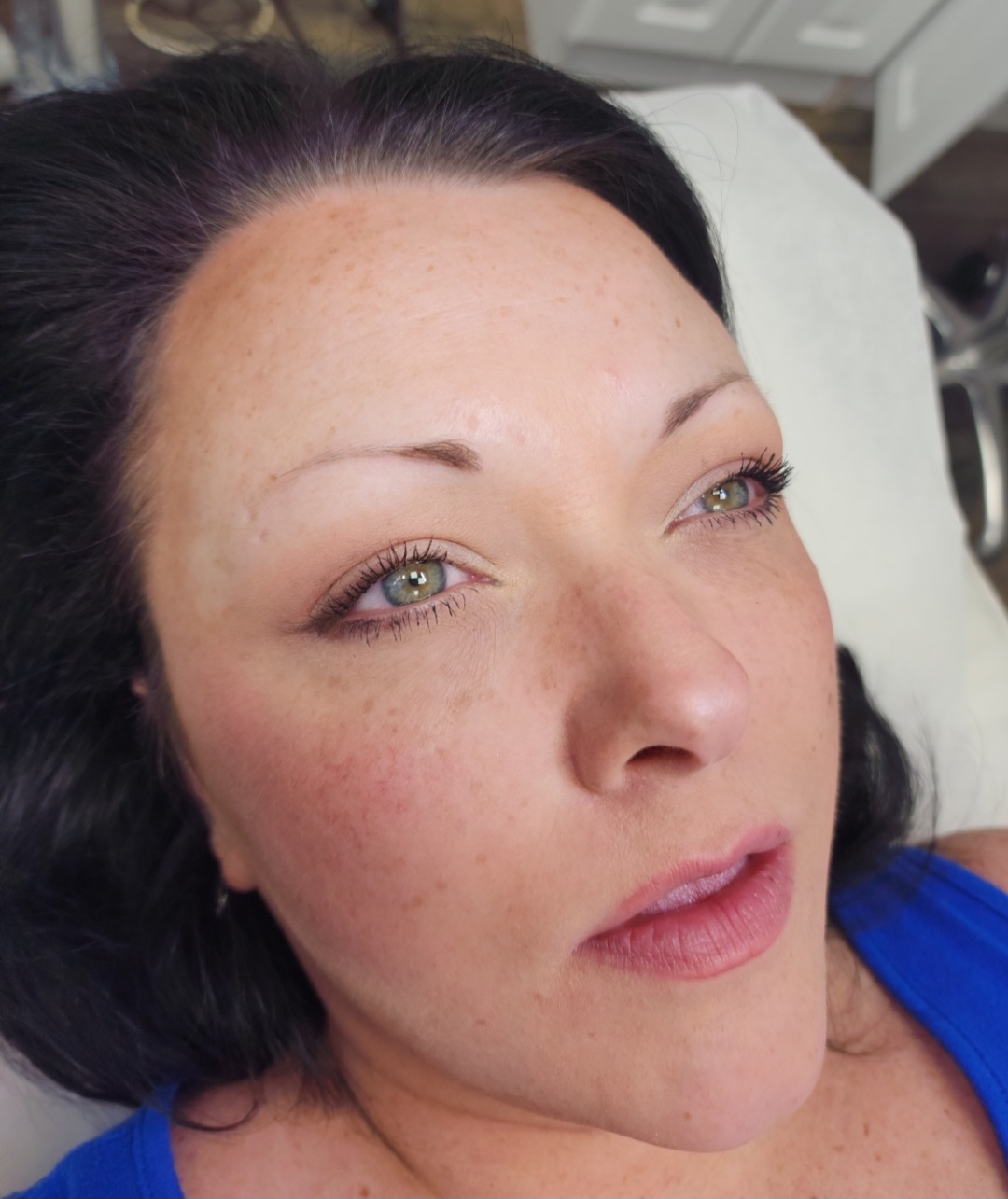
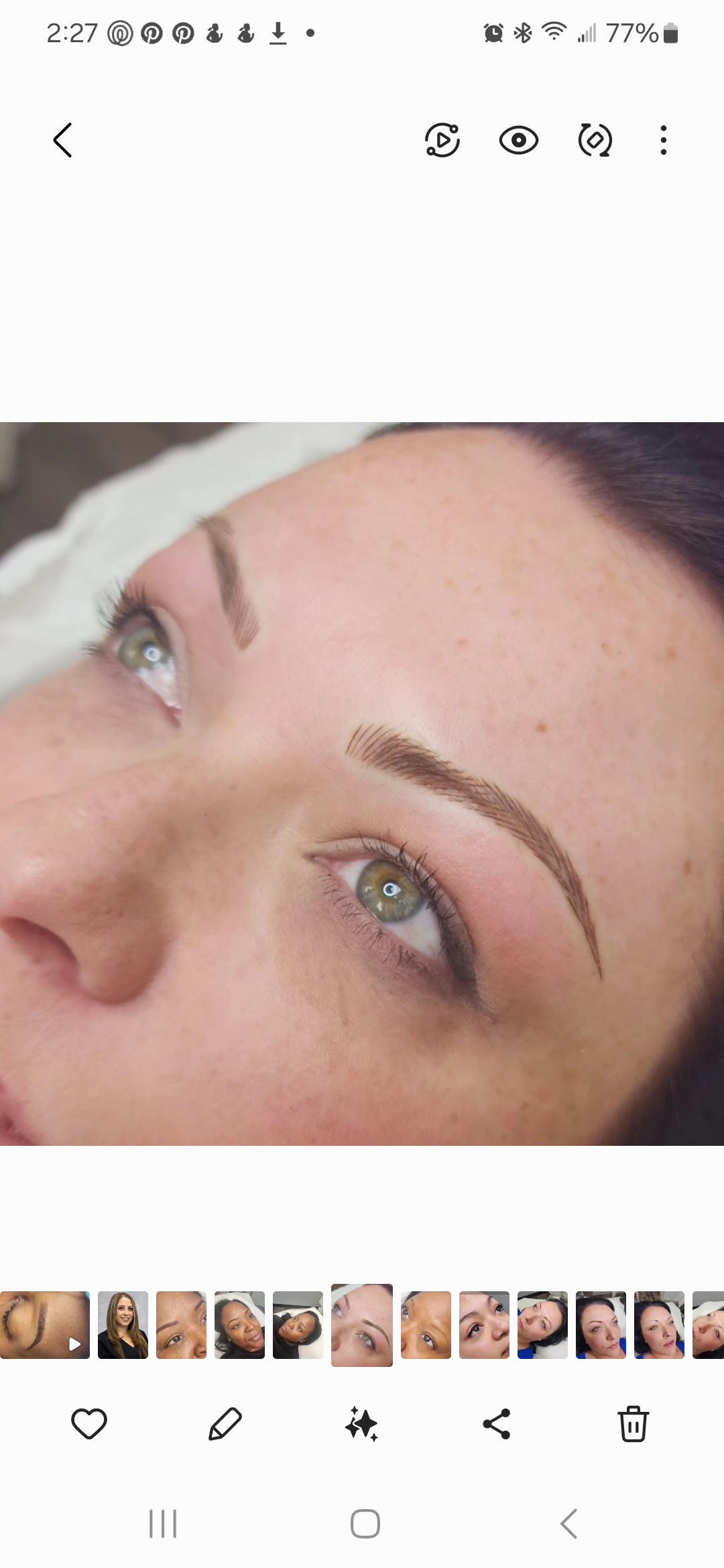
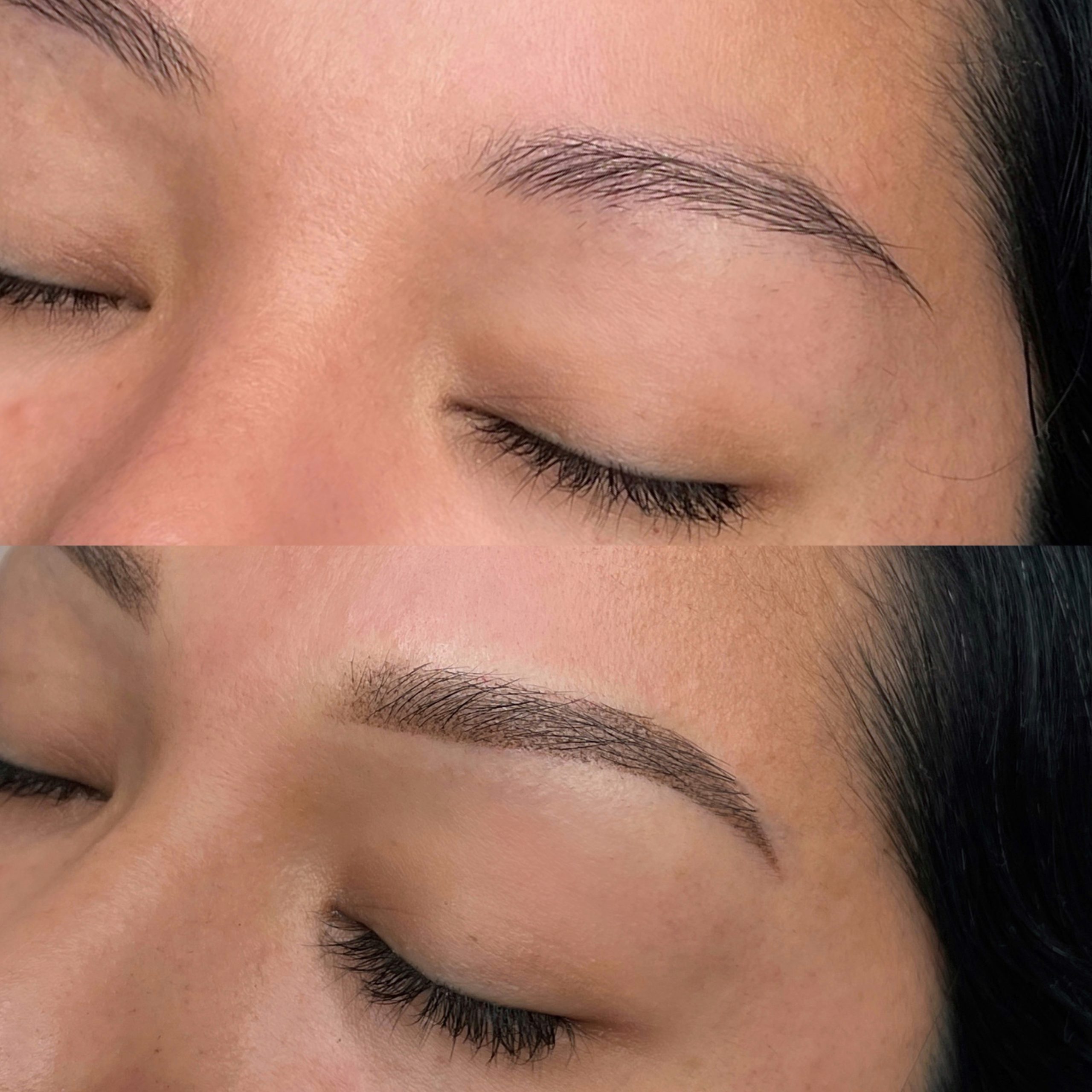
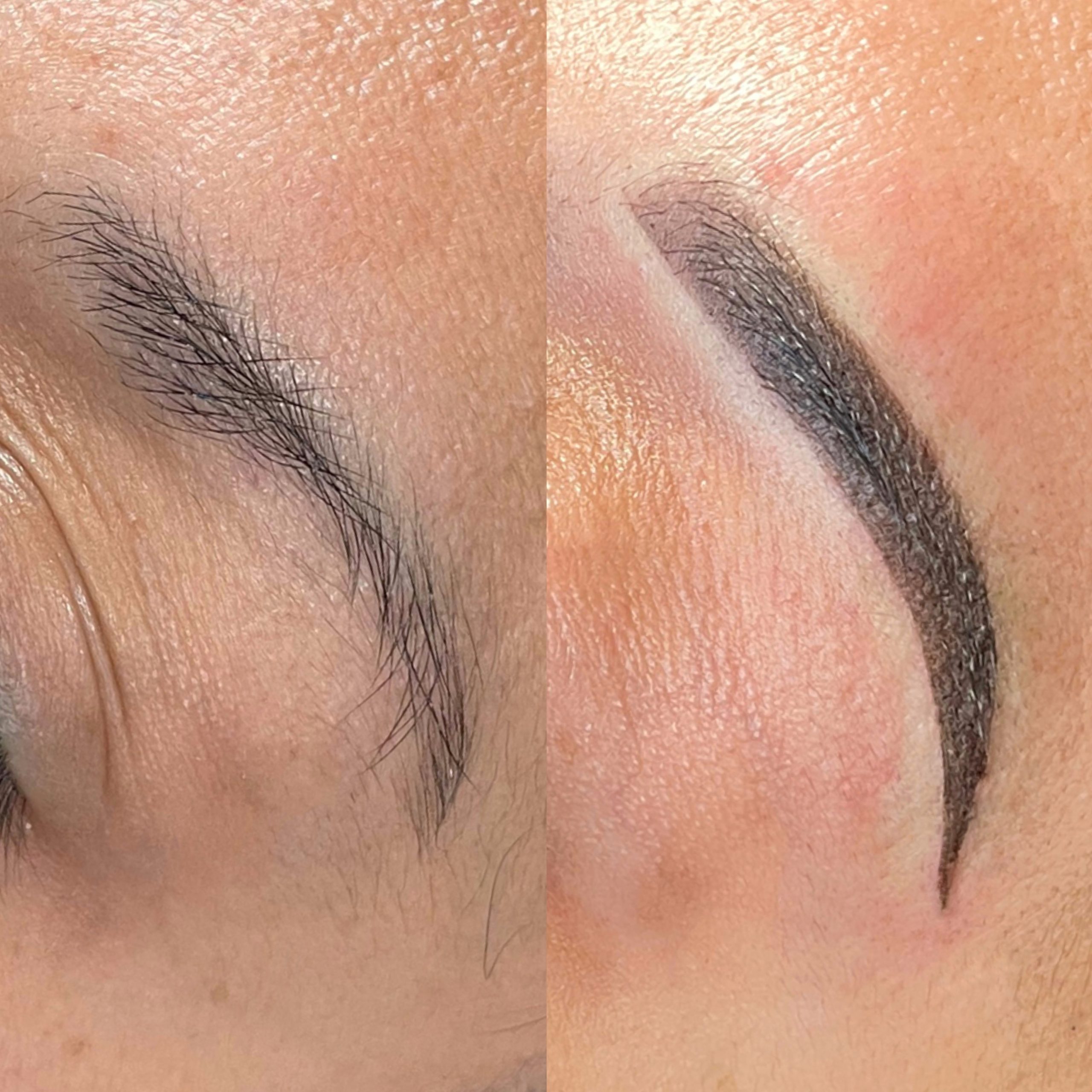
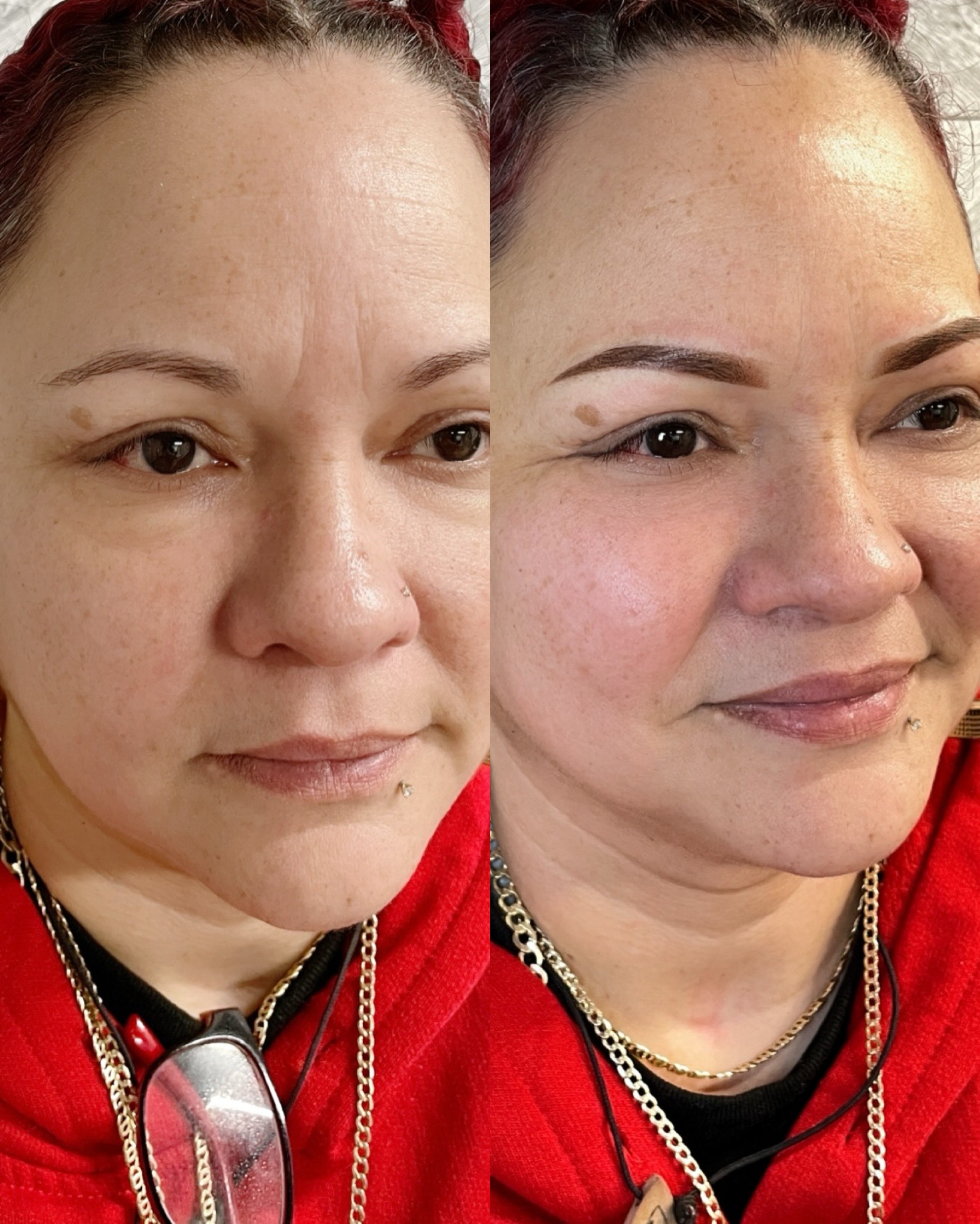
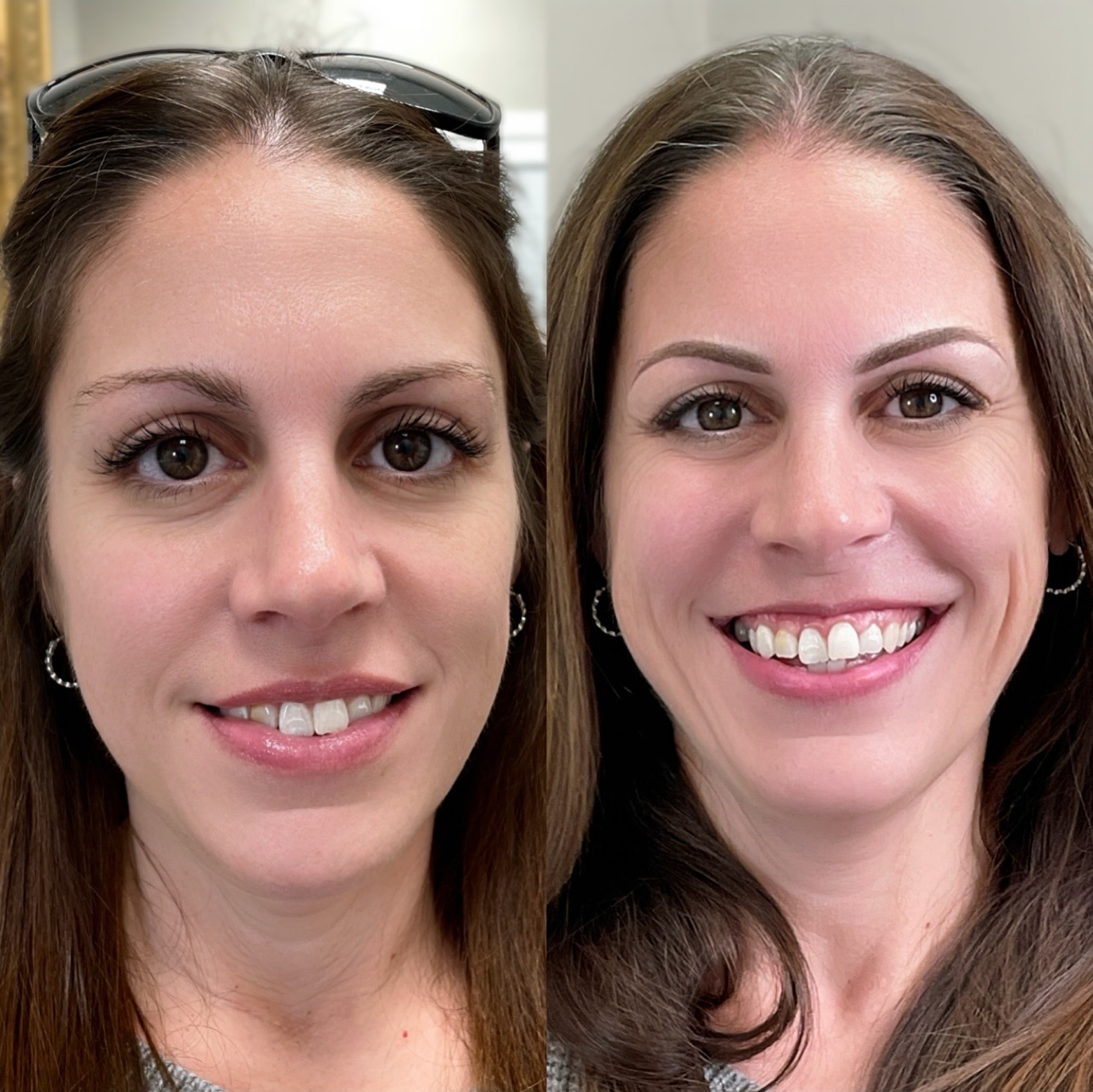
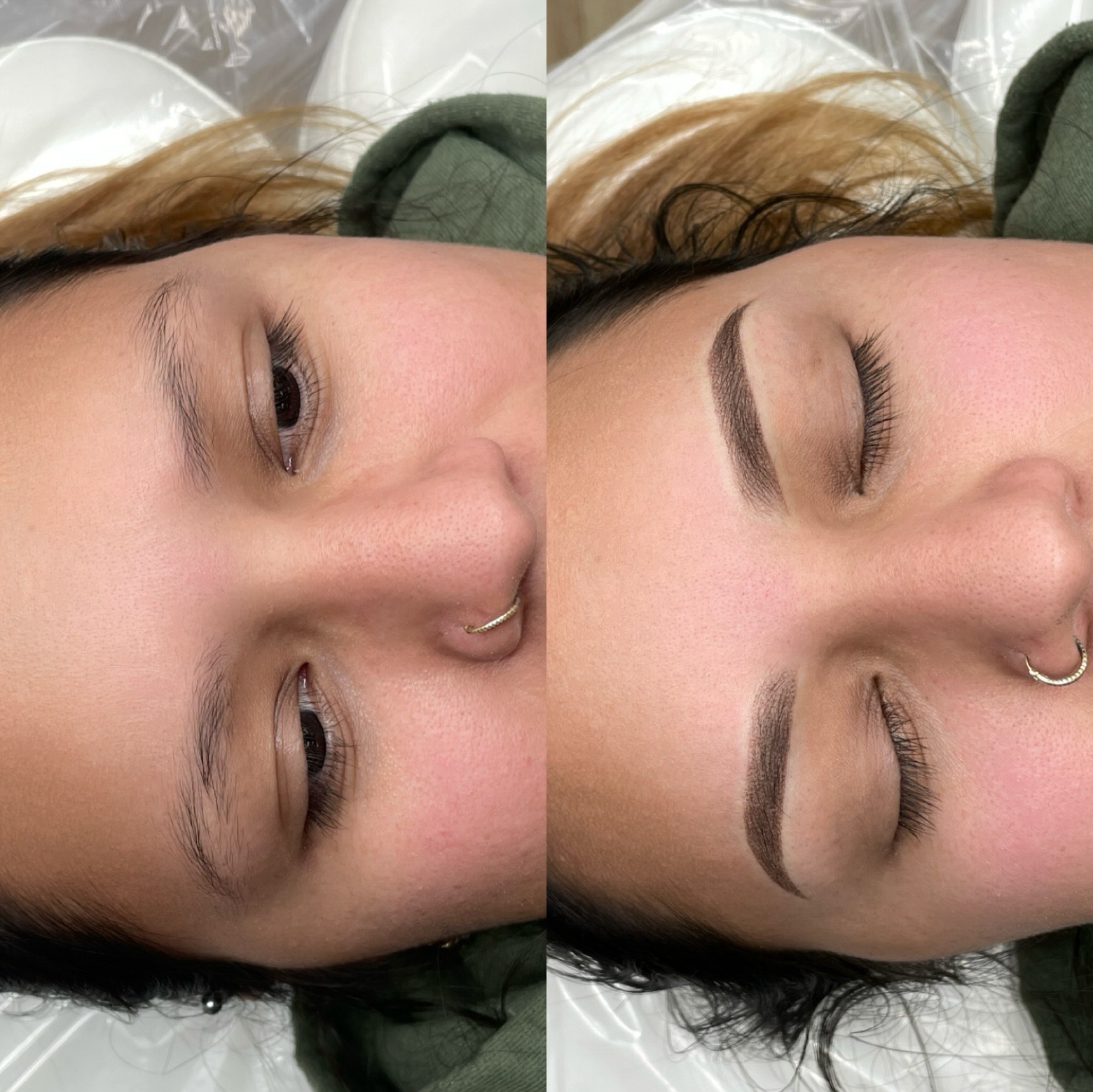
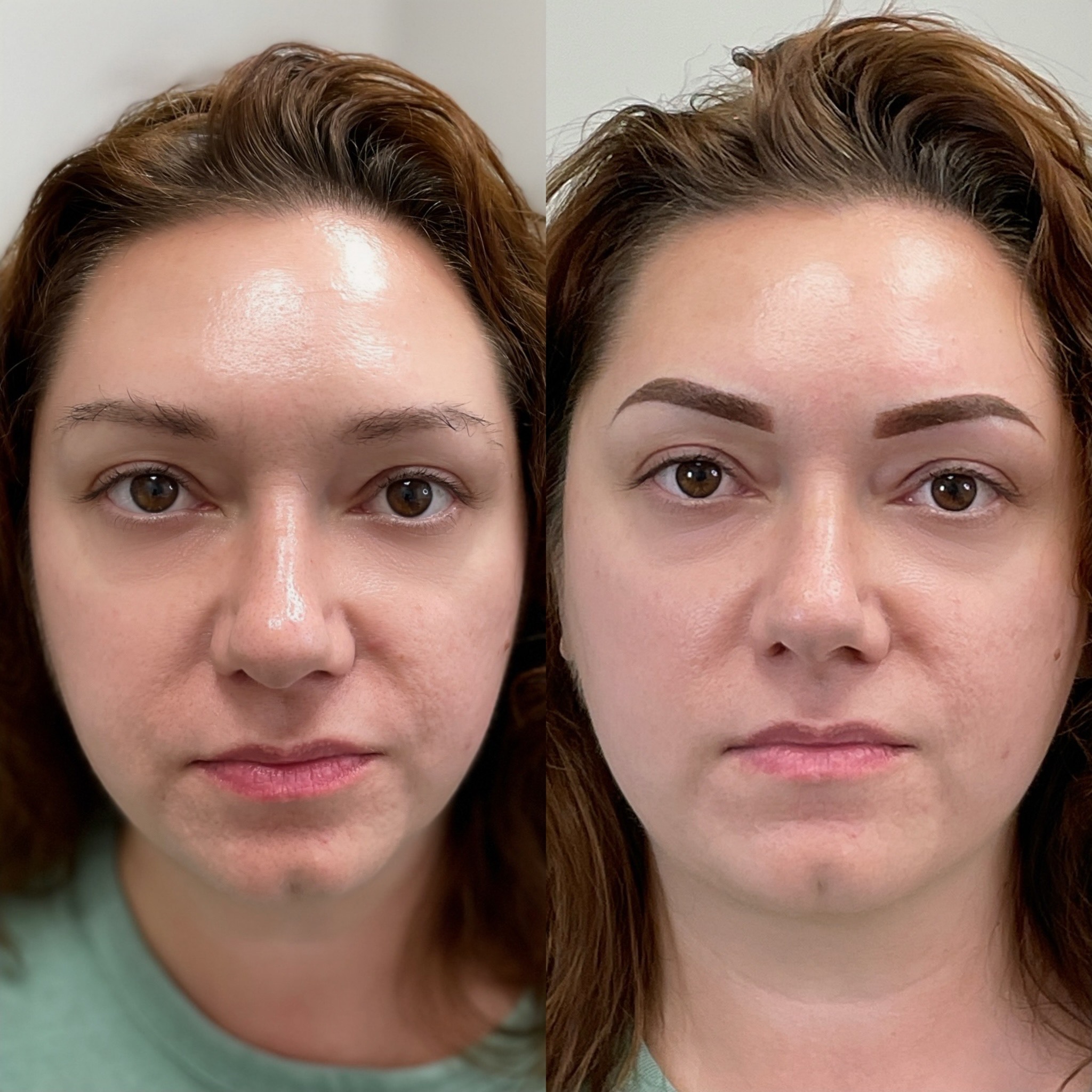
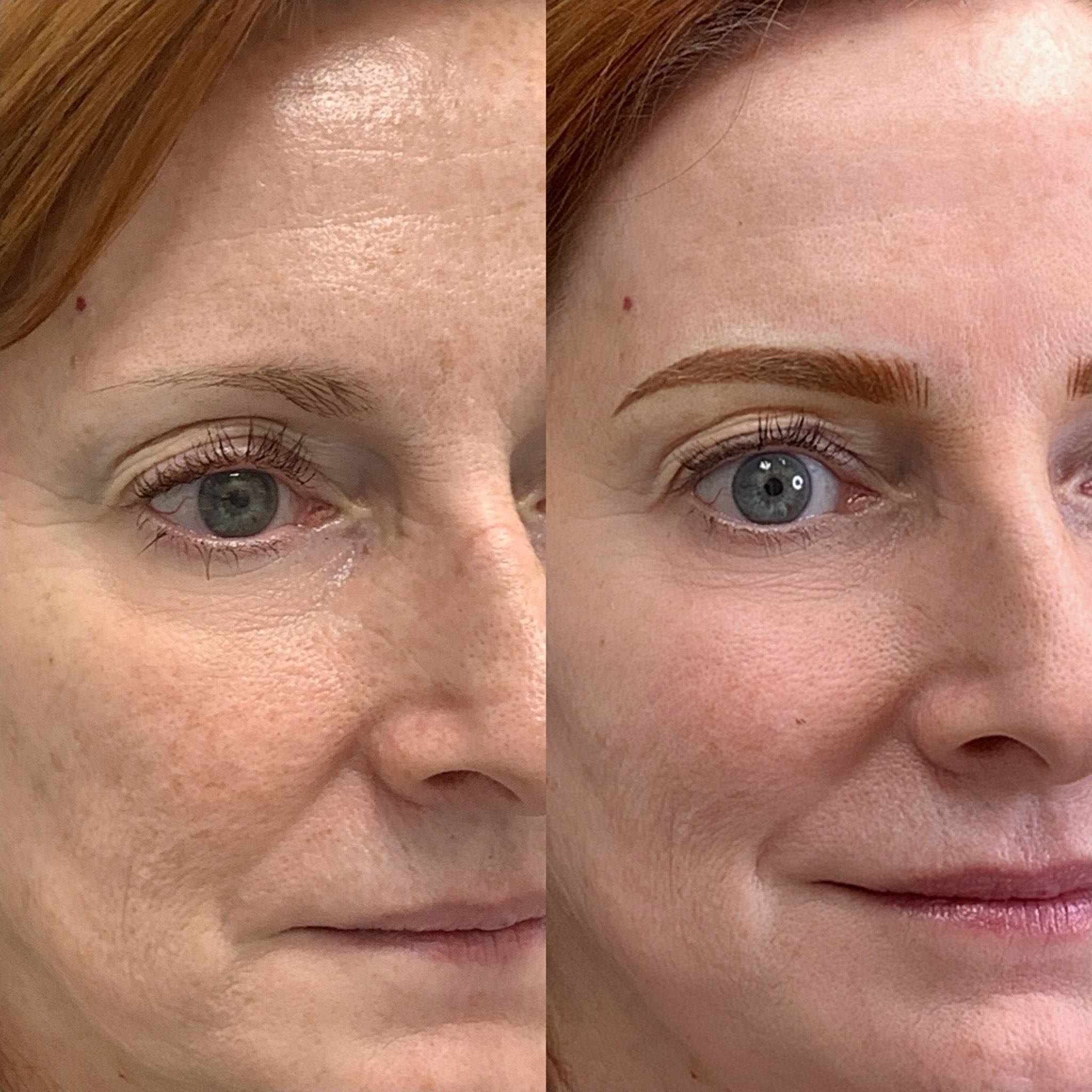
Permanent makeup aka cosmetic tattooing or micropigmentation involves the use of tattooing techniques to create long-lasting enhancements on areas such as eyebrows, eyeliner, and lips.
Who is a good candidate for permanent makeup?
Ideal candidates include any individuals who want to save time on daily makeup application, have allergies to traditional makeup, medical conditions that makeup application difficult or have sparse hair in areas like the eyebrows.
How much does it cost?
The average cost per procedure varies. The range is $400 to $800. Procedure pricing is available upon request. For new cosmetic procedures, fees consist of a deposit and two affordable payments. The cost of the procedure should not be your deciding factor when selecting a permanent cosmetic professional that is altering your appearance permanently. You will want to choose a certified, experienced practitioner to perform your procedures.
Why do I need to come in for 2 sessions?
The first appointment involves the initial application of the permanent makeup. After this session, the area needs time to heal, and the color may fade or change slightly during the healing process. Your touch-up appointment should be scheduled for 6 to 12 later. At this appointment adjustments to color and shape will be made. You made need an additional touch-up visit depending on your skin care routine, health factors and environmental conditions as well as your lifestyle. These factors can affect how quickly your permanent makeup fades.
Are the pigments safe?
Pigments used in permanent cosmetics have an extensive record of safety. Used in both medical and artistic fields permanent makeup pigments are regulated to ensure they meet safety standards.
How long does it last?
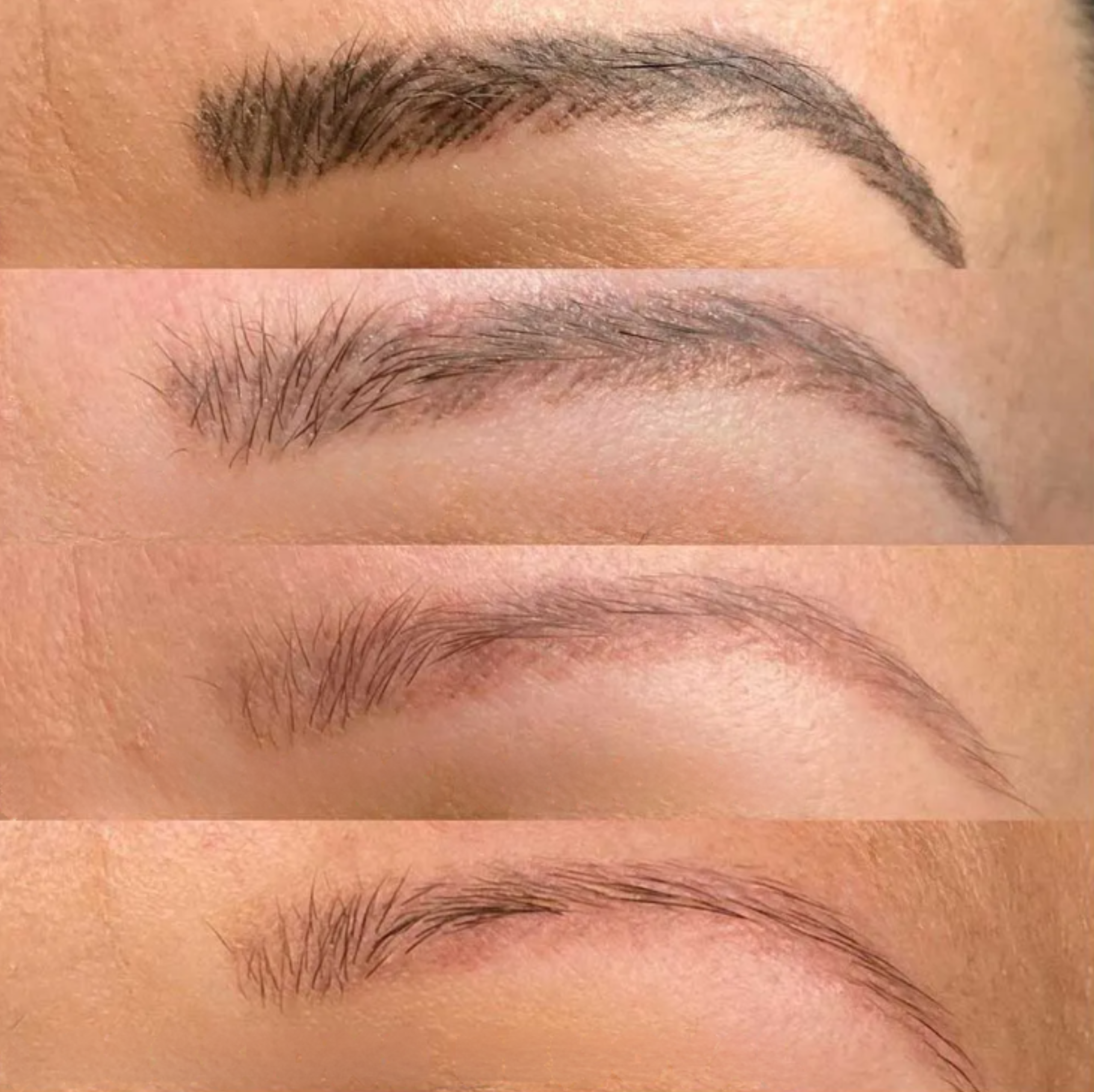
The longevity of permanent makeup can vary based on several factors, but generally, it lasts between 1 to 5 years. An annual touch up to refresh color and shape is recommended.
How long does it take?
Although the length of the procedures may vary,as well as the number of visits required, most procedures generally takebetween 2 to 3 hours.
Does it hurt?
Although everyone’s pain sensitivity varies, the application of permanent makeup includes topical anesthetics that greatly reduce sensitivity. Many people describe the sensation as similar to light scratching or a slight tingling rather than significant pain.
How do I care for my permanent makeup after the procedure?
Your practitioner will thoroughly explain your after-care instructions after you procure. You will also be provided with written instructions, which may include avoiding sun exposure, swimming, and applying specific ointments for healing.
Can I still wear makeup over permanent makeup?
Yes, you can apply makeup over the treated areas once they are fully healed. However, some may choose to go without traditional makeup for convenience.
Who requires medical clearance?
You may need medical clearance if you have the following medical conditions: chronic skin conditions, autoimmune disorder, diabetes, blood disorder, joint replacement, heart condition, and if you are on certain medication. In addition, if you are pregnant or nursing, we require that you postpone the procedure to a later date to avoid any risks. If you have any concerns, we strongly recommend you schedule a consultation with a practitioner to review your medical history and advise if you should discuss further with your physician.
How should I prepare for my PMU procedure?
Preparing your skin before a permanent makeup procedure will allow you to get the best results. Here are some tips to get you ready: Stay hydrated and drink plenty of water, limit alcohol and caffeine 24 hours prior to your appointment, avoid using retinoid and skin exfoliants for a week prior to appointment. If you are getting an eyeliner procedure and have lash extensions, they will need to be removed. Avoid waxing at least 1 week prior to your appointment and get a good night sleep the night before your procedure
What methods of payment do you accept?
When you call schedule, a deposit will be taken, this deposit will be applied to the cost of the procedure. The day of the procedure the remaining balance may be paid by cash or with credit card. We also accept CARE CREDIT
What is paramedical tattooing?
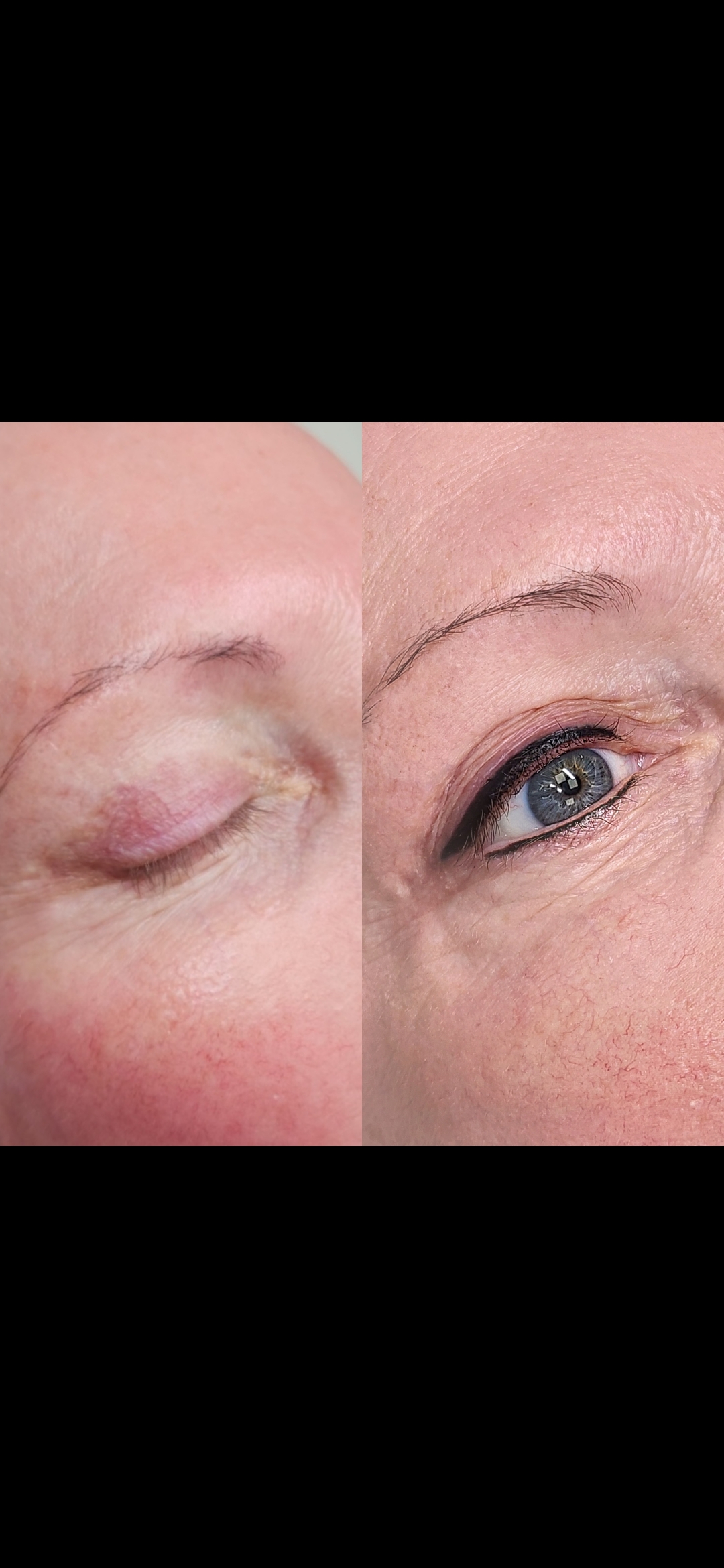
Paramedical tattooing, also known as medical tattooing, is a specialized form of tattooing. Its focus is to improve the appearance of skin or to help individuals regain confidence after medical conditions or surgical procedures for example:
- Scar Camouflage: Helps reduce the visibility of scars from surgery, accidents, or injuries.
- Areola Restoration or Areola Tattooing: Recreates the appearance of the nipple and areola after breast reconstruction.
- Scalp Micropigmentation or Hair Simulation: Mimics hair follicles for individuals with thinning hair or baldness.
- Skin Conditions: Provides pigmentation for conditions such asvitiligo or discoloration.
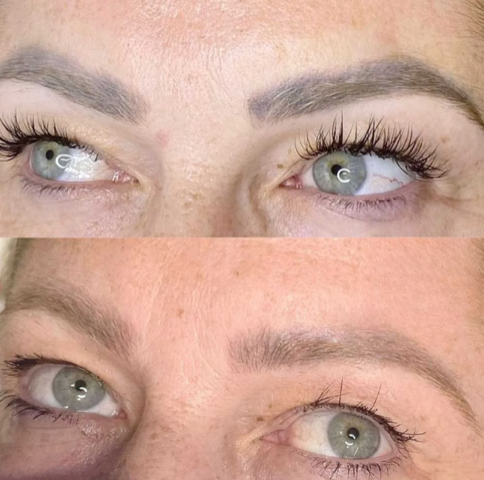
What is Salt Lightening Procedure?
The procedure generally involves the following steps:
Salt Solution Application: The Pracitioner uses a specially formulated salt-based solution to help lift and break down the pigment from the skin.
Process: The salt solution is applied to the skin while the technician uses a PMU machine and needle to puncture the skin in the tattooed area. This helps the salt solution to penetrate the deeper layers of the skin, where the pigment resides.
Pigment Lifting: The salt solution works by drawing out and breaking down the pigment in the skin. The saline solution, combined with the permanent makeup techinque, helps to lift and remove the pigment gradually.
Healing: After the procedure, the skin may scab or peel, which is a normal part of the healing process. During this time, the old tattoo fades as the pigment is drawn out and removed by the body’s natural healing processes.
Follow-up Sessions: Multiple sessions might be needed depending on the depth of the pigment and how much fading is desired. It’s important to give the skin time to heal between sessions to avoid excessive irritation or scarring.
Why Use Salt Lightening?
Non-Laser Option: Salt lightening is a less invasive alternative to laser tattoo removal. It can be a good choice for clients with darker skin tones who may not be ideal candidates for laser treatments.
Less Risk of Scarring: Since it’s less aggressive than some other removal techniques, it may pose a lower risk of scarring, though proper aftercare is still crucial.
Gentler Process: The salt solution is less harsh on the skin compared to some removal methods, which can make it a preferred option for certain individuals.
Important Notes:
Results May Vary: The effectiveness of salt lightening can depend on various factors such as the type of pigment used, the depth of the tattoo, and the client’s skin type.
Professional Training Required: The procedure should be performed by a trained and experienced PMU artist to avoid complications and ensure the best results.
Aftercare: Like any PMU procedure, proper aftercare is essential to prevent infection and ensure optimal healing and fading of the pigment.