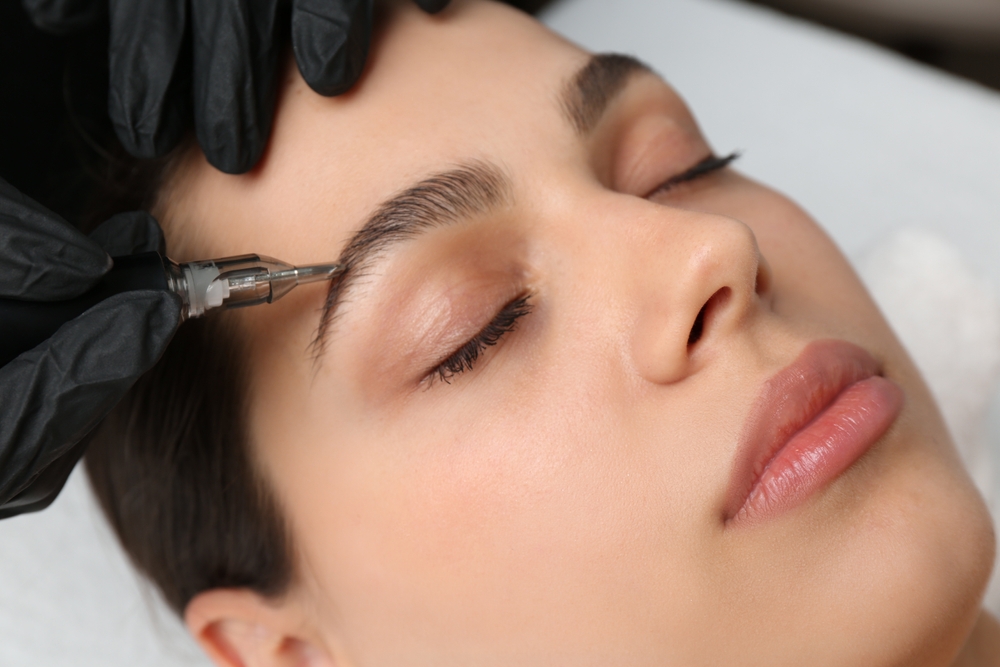
Permanent Makeup has transformed the beauty industry. From fuller brows and defined eyeliner to softly tinted lips, today’s techniques offer natural looking enhancements that simplify daily routines and boost confidence. Whether you are in your twenties building a career or in your sixties embracing effortless elegance, permanent makeup can be life changing.
However, one of the most common concerns clients share is this:
Why did my Permanent Makeup fade so quickly?
If you have invested in permanent eyebrows, eyeliner, or lip blush and feel disappointed with the longevity, you are not alone. The truth is that Permanent Makeup results depend on multiple factors including skin type, age, lifestyle, pigment quality, technique, and aftercare.
In this in depth guide, we will explain exactly why some Permanent Makeup results do not last and how to avoid premature fading so you can protect your investment and enjoy beautiful results for years.
Understanding How Permanent Makeup Works
Before diving into why results fade, it is important to understand what Permanent Makeup actually is.
Permanent Makeup, also known as cosmetic tattooing or micropigmentation, involves implanting pigment into the upper layers of the skin. Unlike traditional body tattoos, Permanent Makeup is placed more superficially. This softer placement allows for natural looking results but also means the pigment will gradually fade over time.
Permanent Makeup is considered long lasting, not truly permanent. Most clients can expect results to last anywhere from one to five years depending on several factors.
1. Skin Type Plays a Major Role in Longevity
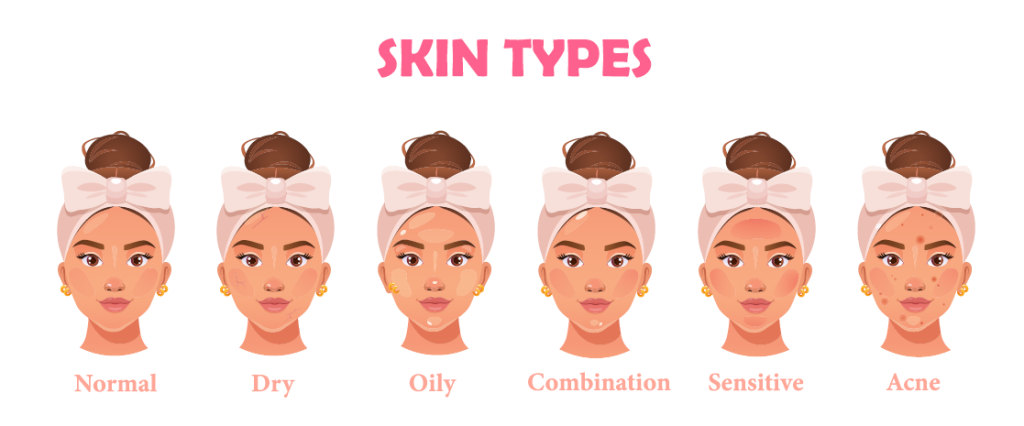
One of the biggest influences on how long Permanent Makeup lasts is your skin type.
Oily Skin
Clients with oily skin often experience faster fading. Excess oil production can push pigment out during healing and continue to break down pigment over time. This is especially common with permanent eyebrows such as microblading.
Younger clients are more likely to have oily or combination skin, which can affect pigment retention if not approached correctly.
Dry or Mature Skin
Dry skin may retain pigment better initially, but very thin or delicate mature skin requires a softer technique. As we age, collagen decreases and the skin becomes more fragile. This means pigment must be implanted carefully to avoid trauma and uneven healing.
Older clients often benefit from customized pigment selection and lighter saturation to ensure graceful aging of the color.
Sensitive or Reactive Skin
Skin that is prone to redness, rosacea, or inflammation may heal unpredictably. Inflammation can cause pigment to be rejected or healed unevenly.
How to Avoid Problems:
- Be honest about your skin type during consultation
- Choose a skilled Permanent Makeup artist who understands how to adjust technique
- Avoid aggressive skincare before and after treatment
2. Improper Aftercare Is a Common Cause of Fading
Even the most beautifully performed Permanent Makeup can fade prematurely if aftercare instructions are not followed.
The healing period is critical. During the first seven to fourteen days, your skin is forming new tissue and stabilizing pigment. Disrupting this process can pull pigment out of the skin.
Common Aftercare Mistakes
- Picking or scratching scabs
- Excessive washing or soaking
- Sweating heavily in the first week
- Sun exposure
- Applying makeup too soon
- Using retinol or exfoliating products
Younger clients with active lifestyles may struggle to avoid workouts or sun exposure. Older clients may unintentionally use anti aging products that interfere with healing.
How to Avoid Problems:
- Follow every aftercare instruction carefully
- Avoid the gym, pools, and beaches during early healing
- Pause retinol, acids, and strong skincare
- Keep the area clean and dry
Remember, the healing phase determines how much pigment remains in the skin. Proper healing during the initial healing phase supports healthy skin recovery. You can read more about skin healing and wound care from the Mayo Clinic.
3. Sun Exposure Breaks Down Pigment
Ultraviolet light is one of the biggest enemies of Permanent Makeup.
UV rays break down pigment particles over time. This causes fading and sometimes color shifting. For example, brows may appear lighter, warmer, or cooler depending on how the pigment degrades.
Younger Clients and Sun Exposure
Clients in their twenties and thirties may spend more time outdoors, traveling, or tanning. Without daily sunscreen, fading can occur much faster.
Older Clients and Cumulative Sun Damage
Years of sun exposure can thin the skin and affect how pigment heals. Mature skin may heal lighter than expected due to previous sun damage.
How to Avoid Problems:
- Apply sunscreen daily once healed (even in the winter!)
- Wear hats when outdoors
- Avoid tanning beds
- Reapply SPF during long outdoor activities
Protecting your Permanent Makeup from the sun significantly extends its life. The American Academy of Dermatology provides detailed guidance on sun protection and skincare. Learn more about sun protection recommendations here.
4. Skincare Products Can Fade Your Permanent Makeup
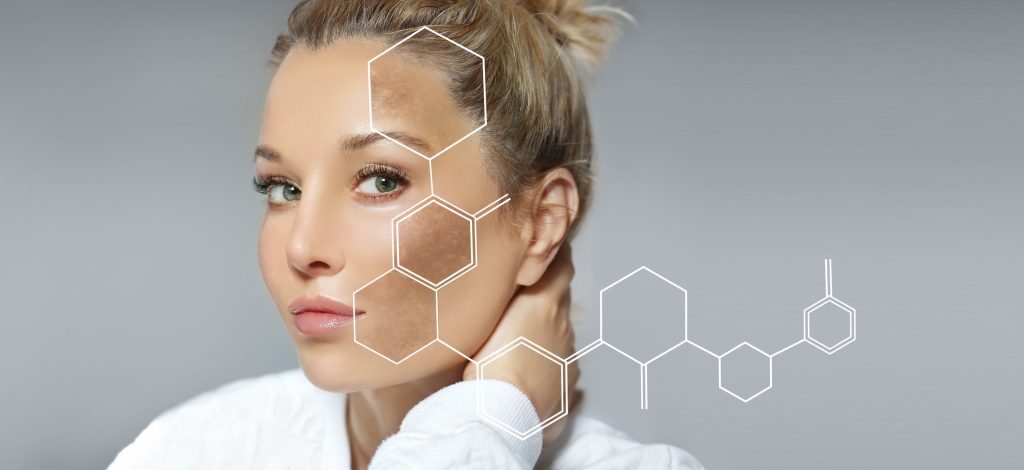
Modern skincare is powerful. Ingredients like retinol, glycolic acid, salicylic acid, and chemical exfoliants increase cell turnover. While this improves skin texture, it can also cause Permanent Makeup to fade more quickly.
Clients investing in anti aging treatments may unknowingly accelerate pigment fading.
Laser treatments, chemical peels, and microneedling can also affect pigment retention.
How to Avoid Problems:
- Inform your aesthetic provider that you have Permanent Makeup
- Avoid applying retinol directly over treated areas
- Discuss timing if planning laser or resurfacing treatments
Smart skincare planning helps preserve your results.
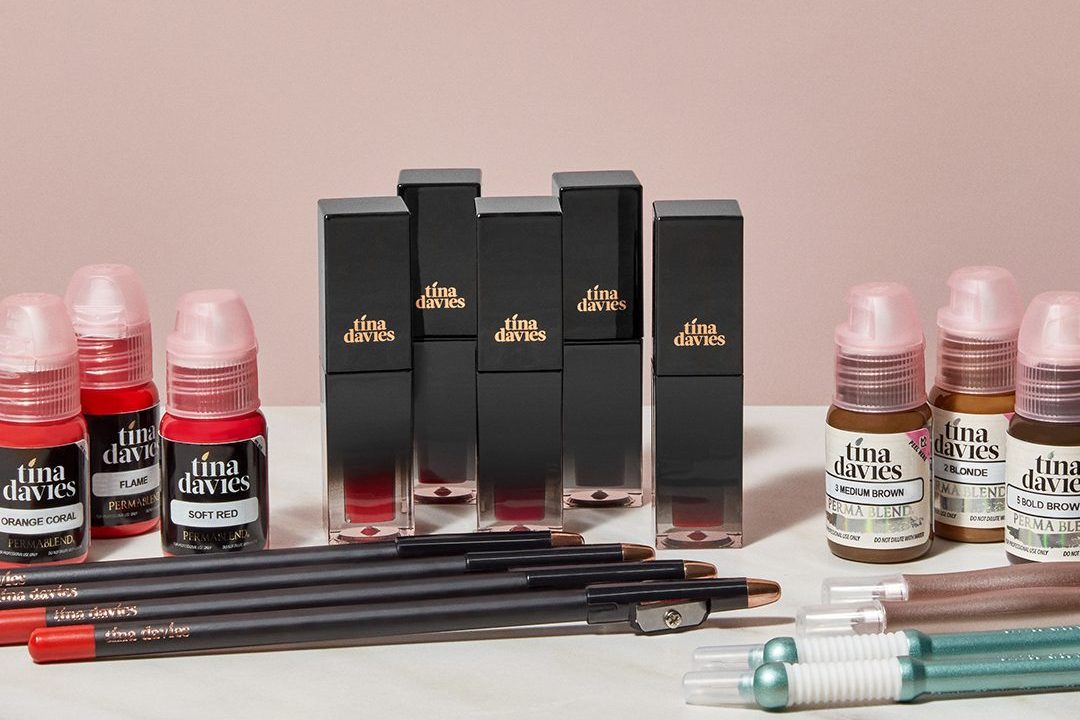
5. Pigment Quality Makes a Difference
Not all pigments are created equal.
High quality pigments are formulated for stability, color balance, and longevity. Lower quality pigments may fade unevenly or shift in color over time.
For example:
- Poor quality brow pigments may turn gray or reddish
- Lip pigments may lose vibrancy quickly
- Eyeliner may fade unevenly
Professional artists invest in premium pigment lines designed for cosmetic tattooing.
How to Avoid Problems:
- Ask your artist about the pigment brands they use
- Choose an experienced Permanent Makeup artist who prioritizes quality products
- Avoid discount procedures that compromise pigment quality
Remember, price often reflects expertise and materials.
6. Technique and Skill Level Matter
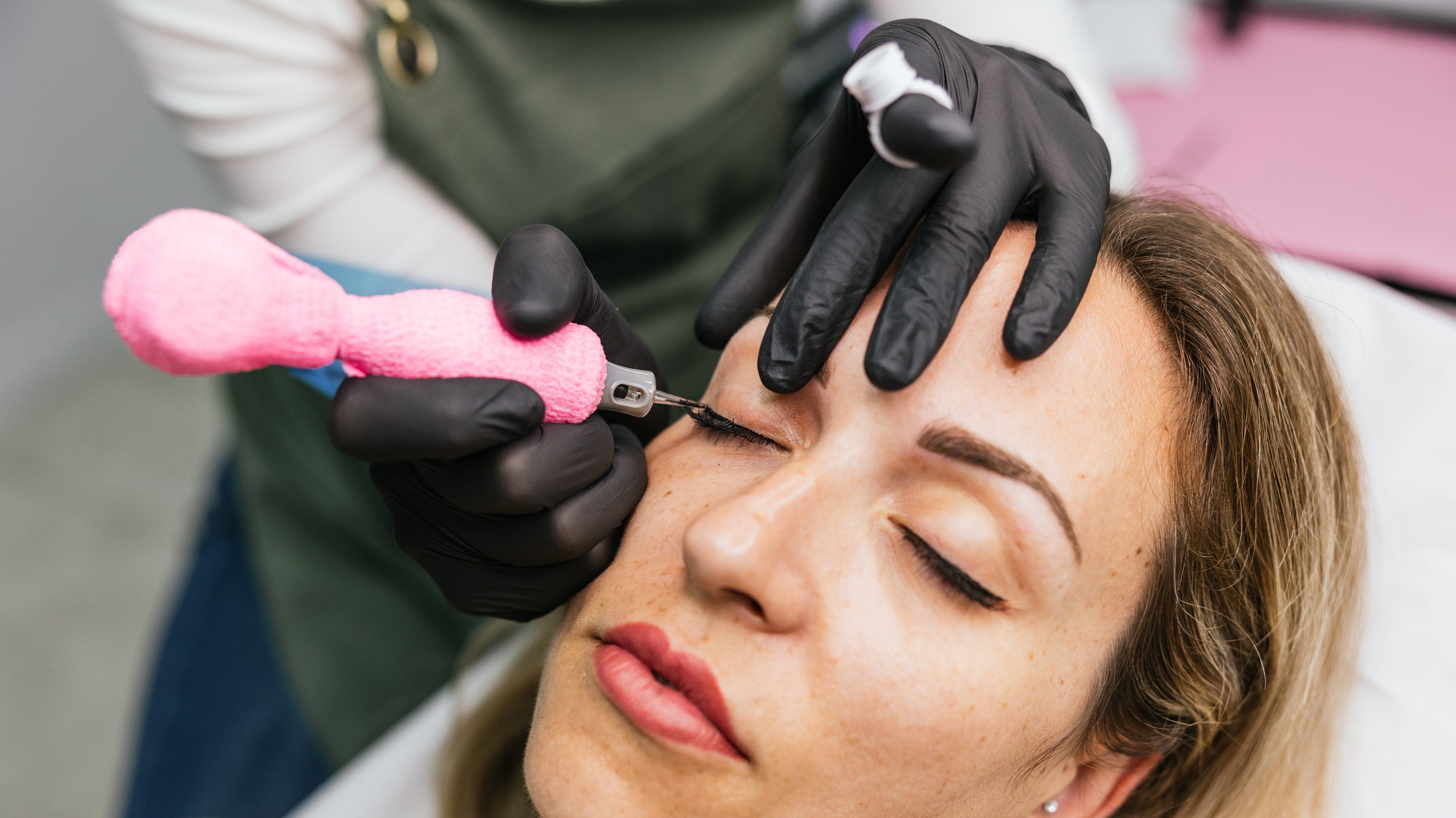
Technique is everything in Permanent Makeup.
Proper needle depth is critical. If pigment is implanted too shallow, it will fade quickly. If implanted too deep, it can blur or change color.
Additionally, stroke placement, layering, and saturation must be customized to the client.
Younger Skin Considerations
Younger skin may be firmer and thicker. It can tolerate certain techniques but still requires precision to prevent oversaturation.
Mature Skin Considerations
Mature skin is thinner and more delicate. It requires a gentler approach to avoid trauma and uneven results.
An inexperienced artist may use the same technique for everyone, leading to inconsistent longevity.
How to Avoid Problems:
- Research your artist thoroughly
- Review healed results, not just fresh photos
- Choose certified and well trained professionals
Permanent Makeup results are highly dependent on artist training, technique, and safety standards. The Society of Permanent Cosmetic Professionals provides education and professional guidelines for practitioners in the cosmetic tattoo industry. Learning more about professional standards can help clients make informed decisions about their procedure.
7. Skipping the Touch Up Appointment
One of the biggest misconceptions about Permanent Makeup is that one session is enough.
The initial appointment lays the foundation. The touch up session, typically scheduled eight to twelve weeks later, perfects color, shape, and retention.
During healing, it is normal to lose some pigment. The touch up corrects areas that healed lighter and reinforces longevity.
Skipping this appointment often leads to uneven fading.
How to Avoid Problems:
- Always schedule your touch up
- Follow the recommended maintenance timeline
- Plan yearly color refresh appointments
Permanent Makeup is a process, not a one time event
8. Health and Lifestyle Factors
Your body plays a role in how pigment is retained.
Factors that may affect longevity include:
- Smoking
- Hormonal changes
- Certain medications
- Autoimmune conditions
- High metabolism
Younger clients may experience hormonal fluctuations that affect healing. Older clients may have medical conditions that impact skin regeneration.
While not all factors can be controlled, awareness helps set realistic expectations.
9. Choosing the Wrong Technique for Your Skin
Different Permanent Makeup techniques offer different longevity.
For example:
- Microblading creates crisp hair strokes but may fade faster on oily skin
- Powder brows often last longer and heal softer
- Lip blush requires proper layering for color stability
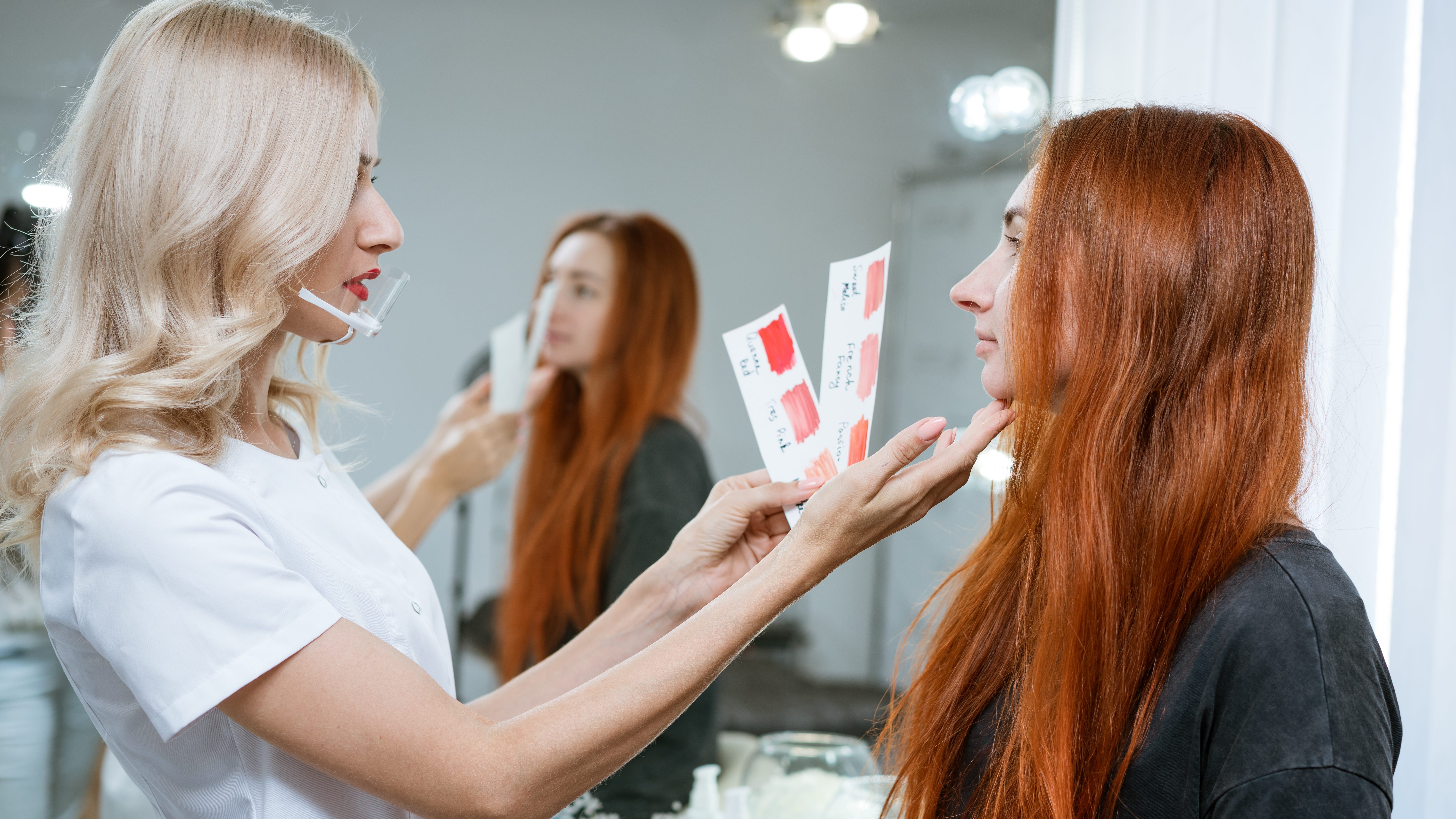
A customized consultation ensures the right technique is selected for your skin type, age, and lifestyle.
There is no one size fits all solution.
What Younger Clients Should Know
Permanent Makeup in your twenties and thirties can provide convenience during busy years filled with work, travel, and social events.
However, maintaining results requires:
- Consistent sunscreen use
- Balanced skincare routines
- Realistic expectations about fading
- Regular touch ups
Choosing a style that will age gracefully is also important. Trends change, but natural enhancements remain timeless.
What Older Clients Should Know
Permanent Makeup can be incredibly empowering for women in their forties, fifties, sixties, and beyond.
Benefits include:
- Restoring definition lost with aging
- Enhancing thinning brows
- Creating the illusion of fuller lips
- Defining eyes without daily effort
Mature clients benefit most from:
- Soft, natural designs
- Gentle techniques
- Strategic pigment selection
- Ongoing maintenance
With the right approach, permanent makeup can enhance aging beautifully rather than compete with it.
How to Ensure Your Permanent Makeup Lasts
If you want long lasting permanent eyebrows, eyeliner, or lip blush, follow these essential guidelines:
- Choose an experienced certified Permanent Makeup artist
- Be honest about your skin type and medical history
- Follow aftercare instructions precisely
- Protect your skin from the sun daily
- Avoid harsh exfoliating skincare over treated areas
- Schedule your touch up appointment
- Maintain results with periodic refresh sessions
Longevity is a partnership between artist and client.
The Bottom Line
Permanent Makeup results do not last for everyone in the same way. Skin type, age, lifestyle, pigment quality, technique, sun exposure, skincare habits, and aftercare all play a role.
The good news is that most causes of premature fading can be avoided.
Whether you are a younger client seeking convenience or an older client looking to restore definition and confidence, understanding what affects Permanent Makeup longevity empowers you to make informed decisions.
Beautiful, long lasting results are not an accident. They are the result of skilled artistry, personalized design, high quality pigments, and responsible aftercare.
If you are ready for Permanent Makeup that enhances your natural beauty and truly lasts, schedule a consultation with a trusted professional who understands your skin, your goals, and your lifestyle.
Your face deserves expertise.